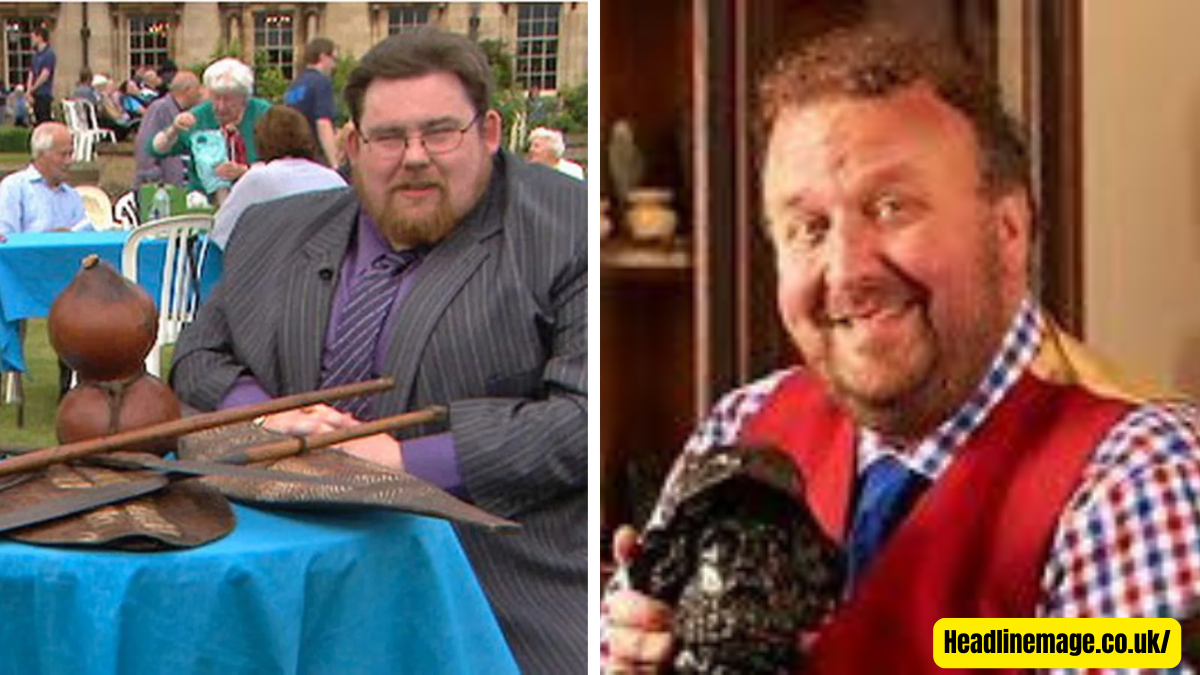
The world of antiques has lost one of its brightest personalities. Michael Baggott, known for his calm expertise and warm presence on BBC’s Flog It!, passed away at the age of 51. Anyone who watched him work with silverware, porcelain, or Victorian curiosities knows the passion he brought to the trade. Michael Baggott Antiques wasn’t just a title; it was a reflection of decades spent learning, researching, and sharing knowledge with collectors and the public alike.
In this article, we take a deep dive into Michael’s career, his approach to antiques, and the legacy he leaves behind.
The Early Days: How Michael Found His Calling
Michael’s journey into the world of antiques began in a rather unassuming way. While many experts start with formal training, Michael’s curiosity was what truly drove him. Even as a student, he was fascinated by old objects, particularly silver and decorative pieces. He once recounted in an interview how he could spend hours in a saleroom, carefully examining the smallest details on an object—a hallmark, a maker’s mark, the tiniest scratch that told a story.
This hands-on curiosity eventually led him to a career that blended academic knowledge with practical experience. His early years weren’t glamorous; like many in the trade, he spent long hours cataloguing items, researching provenance, and learning the subtle art of appraisal. But it was this patience and dedication that shaped the expert we came to know on television.
Michael Baggott on Flog It!: The Public Face of Expertise
Most people probably know Michael from Flog It!, the BBC program where members of the public bring their antiques to be appraised and possibly sold at auction. On-screen, Michael’s demeanor was calm, approachable, and incredibly knowledgeable. Unlike some TV personalities who rely on theatrics, Michael let the objects speak for themselves.
I remember watching an episode where he appraised a Victorian silver teapot. He didn’t just give a price; he explained the history behind it, the craftsmanship, and why collectors valued it. This blend of education and entertainment is what made Michael Baggott Antiques synonymous with trust and reliability. Viewers didn’t just see a man giving numbers—they learned to appreciate the story behind each object.
The Art of Appraisal: What Set Michael Apart
Appraising antiques isn’t just about knowing the market. It’s about observation, experience, and sometimes intuition. Michael had a rare ability to notice details that even seasoned collectors might overlook. He could identify the era of a piece by subtle design features or predict how its value would change over time.
For example, I once read about his appraisal of a small Georgian silver sugar bowl. To the untrained eye, it looked ordinary. But Michael noticed a tiny maker’s mark and a subtle engraving style. His knowledge allowed him to trace the item back to a notable silversmith in London, dramatically increasing its auction value. That’s the essence of Michael Baggott Antiques: finding the extraordinary in the ordinary.
Collecting with Purpose: Lessons from Michael
One of the things Michael emphasized repeatedly was the idea of collecting with knowledge, not impulse. He often advised collectors to understand the history, context, and craftsmanship behind a piece rather than buying purely for decoration or potential resale.
He would sometimes tell stories of clients who purchased items based on a whim, only to regret it later. Conversely, he celebrated those who took the time to research, visit auctions, and build a collection that truly reflected their interests. His approach was not just about monetary value but about appreciating history and artistry.
I personally find this advice resonates today, especially with the rise of online auctions. It’s tempting to click “buy” without understanding what you’re getting. Michael’s lessons remind us that antiques are about stories, patience, and respect for craftsmanship.
Behind the Scenes: Michael’s Expertise Beyond TV
While many know him from television, Michael’s work behind the scenes was just as impactful. He spent decades as a silver specialist, dealing with intricate pieces, from flatware to ceremonial objects. He contributed to catalogues, worked with collectors to verify authenticity, and helped museums source rare items.
His reputation wasn’t built overnight. He earned it through decades of meticulous work, which is why when you see Michael Baggott Antiques, it carries weight. Dealers and collectors alike trusted his judgment because it was grounded in experience, not conjecture.
How Michael Researched and Verified Antiques
Michael was a stickler for detail. When verifying a piece, he wouldn’t just glance at it; he would examine it under proper lighting, check for maker’s marks, assess wear patterns, and consult historical records.
For instance, if presented with a silver candlestick, he might notice a subtle variation in the hallmark that indicated a rare London silversmith. He would then cross-reference old auction records, sometimes even traveling to libraries or archives to confirm provenance. This dedication was what separated casual enthusiasts from true experts in Michael Baggott Antiques.
The Human Side of Michael: Personality and Passion
Beyond his professional achievements, Michael was known for his warmth and humility. Colleagues often spoke of his willingness to mentor younger appraisers, sharing knowledge without ever feeling competitive. On set, he had a quiet humor, often slipping in witty remarks while explaining complex details in simple language.
Fans of the show would notice this immediately. He had a way of making antiques approachable, even for someone who had never held a silver teaspoon with historic value. That ability to connect—explaining intricate details in everyday language—was part of his charm.
Michael Baggott Antiques: Legacy in the Auction World
Even after his passing, Michael’s influence continues. Private collections he curated or advised on are still highly sought after. Auction houses remember his keen eye and meticulous standards. In fact, following his death, several pieces from his personal collection were set to go under the hammer, drawing attention from collectors who valued his taste and discernment.
It’s a rare legacy. Many TV experts fade into memory, but Michael’s work left a tangible mark on both collectors and the antiques community at large.
Examples of Michael’s Notable Appraisals
To illustrate his expertise, here are a few examples from his career:
- Victorian Silver Teapots – Michael could identify subtle differences in handle designs that indicated the piece’s age and origin.
- Georgian Jewelry Boxes – He often traced boxes to specific London workshops, revealing hidden craftsmanship.
- Ceramic Figurines – Beyond age, he analyzed the glaze and sculpting techniques, sometimes uncovering rare editions.
Each of these examples shows the careful attention that made Michael Baggott Antiques trusted by collectors.
The Impact of Michael on Collectors and Enthusiasts
Many collectors often speak about how Michael changed their perspective. He wasn’t just giving prices; he was teaching appreciation. One collector shared how Michael inspired them to start documenting their own pieces, keeping detailed records of provenance, condition, and historical context.
His approachable style encouraged beginners to enter the world of antiques with curiosity rather than intimidation. That influence may not be quantifiable in auction prices, but it’s significant in the long-term preservation of antiques knowledge.
The Broader Antiques Community
Michael’s passing was felt widely in the antiques community. Dealers, auctioneers, and collectors expressed deep sadness. For many, he wasn’t just an expert; he was a symbol of the integrity and passion the trade requires. Michael Baggott Antiques is now synonymous with trust, knowledge, and a lifelong commitment to learning.
Even today, people reference his techniques when identifying marks, assessing quality, or simply appreciating the craftsmanship of older items. His methods, described in interviews and shows, continue to educate new generations of collectors.
Preserving Michael’s Knowledge for the Future
In the modern era, the antiques trade is rapidly evolving. Online sales, global auctions, and digital cataloging change how collectors operate. Yet, the foundational principles Michael embodied—careful observation, research, and respect for history—remain timeless.
Several institutions and auction houses have honored his memory by maintaining archives of his work, sharing tips he gave in seminars, and highlighting pieces he appraised. This ensures that even without his presence, Michael Baggott Antiques will continue to influence both professionals and hobbyists.
FAQs About Michael Baggott Antiques
1. What made Michael Baggott a unique antiques expert?
Michael combined meticulous research with an approachable teaching style, making complex valuations easy to understand.
2. Did Michael Baggott specialize in a specific type of antiques?
Yes, he had a particular focus on silverware but also worked extensively with ceramics and Victorian collectibles.
3. How did Michael approach appraising antiques?
He examined maker’s marks, craftsmanship, historical records, and market trends to provide accurate valuations.
4. Are Michael’s appraisals still trusted after his passing?
Absolutely. His reputation and decades of experience continue to make his work highly respected in the antiques community.
5. Where can collectors see Michael Baggott’s work today?
His personal collection and appraised pieces are often featured in auctions, exhibitions, and occasionally discussed on antiques forums and media.
Conclusion
Michael Baggott’s passing is a profound loss, not just for Flog It! viewers, but for anyone who appreciates antiques with depth and care. His life reminds us that antiques are more than objects—they are history, craftsmanship, and stories waiting to be discovered. Through his television appearances, private dealings, and mentorship, the legacy of Michael Baggott Antiques will continue to educate and inspire for years to come.