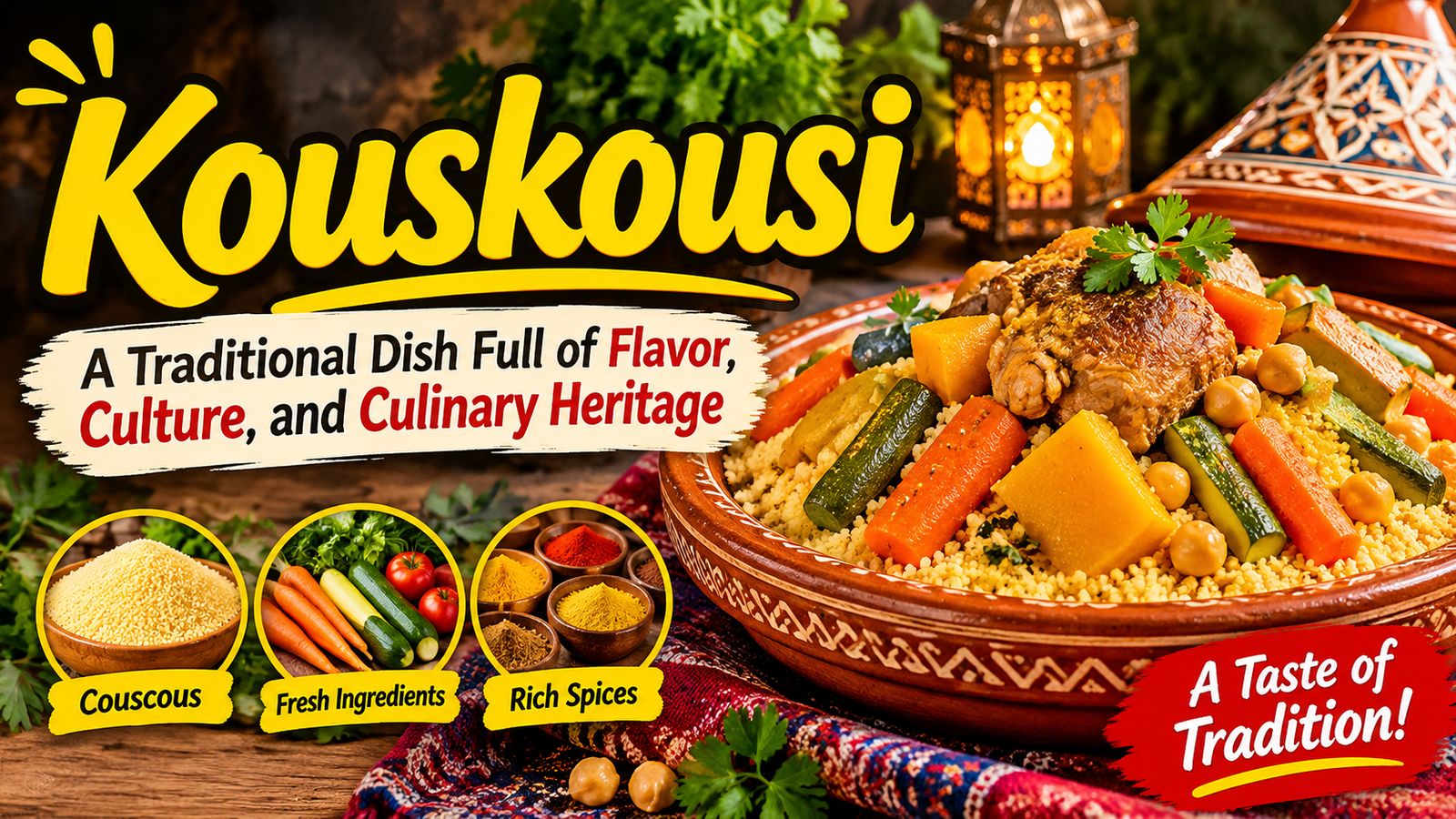
Introduction to Kouskousi
Kouskousi is a traditional food name associated with couscous-style grains and culinary traditions in different regions. It is often connected with the preparation of small grains served with vegetables, meat, herbs, and flavorful sauces. Food is an important part of cultural identity, and dishes like kouskousi represent the history, traditions, and cooking methods passed down through generations.
Traditional foods are more than just meals. They bring families together, celebrate special occasions, and preserve cultural heritage. Kouskousi is an interesting subject for food lovers because it highlights the relationship between simple ingredients, traditional cooking techniques, and delicious flavors.
Whether enjoyed as a comforting homemade meal or served as part of a traditional gathering, kouskousi reflects the importance of sharing food and appreciating regional cuisine.
What Is Kouskousi?
Kouskousi is a term that may refer to a regional form or variation of couscous. Couscous is traditionally made from small granules of semolina wheat and is popular in North African, Mediterranean, and Middle Eastern cooking.
Depending on the region, the name, ingredients, preparation methods, and serving styles can differ. Some varieties are prepared by steaming small grains, while others are cooked in broth or served with vegetables and meat.
Kouskousi can be explored as part of the wider culinary tradition of grain-based dishes. Its appeal comes from its versatility, simple preparation, and ability to complement a variety of ingredients.
The History and Cultural Background of Kouskousi
Grain-based dishes have played an important role in many traditional food cultures for centuries. Couscous, in particular, has deep historical connections with North African communities and Mediterranean food traditions.
Over time, different communities developed their own recipes using locally available ingredients, cooking equipment, and family traditions. These recipes were passed from one generation to another.
Kouskousi, as a regional food term, can be understood within this broader culinary heritage. Its cultural importance lies in the way traditional foods preserve local identities and connect people with their history.
Ingredients Used in Kouskousi
The ingredients depend on the particular regional preparation. When kouskousi refers to traditional North African couscous, the main ingredients include:
- Semolina: Durum wheat semolina is the primary ingredient.
- Water: Used to moisten the semolina and form small granules.
- Salt: Adds a mild, balanced flavor.
- Olive oil or butter: Sometimes added to improve texture and taste.
- Vegetables: Carrots, onions, zucchini, tomatoes, and pumpkin are popular additions.
- Chickpeas: Provide extra texture and plant-based protein.
- Meat or fish: Chicken, lamb, beef, or fish may be served alongside the dish.
- Spices: Ginger, cumin, turmeric, paprika, and black pepper can add depth and aroma.
- Fresh herbs: Parsley and coriander can provide freshness.
These ingredients make kouskousi a flexible dish that can be adapted to different preferences and regional cooking styles.
How Is Kouskousi Prepared?
Traditional couscous preparation involves a careful process that helps produce light, fluffy granules.
The basic preparation steps include:
- Place semolina in a large bowl.
- Sprinkle a small amount of water over the semolina.
- Rub the mixture gently between your fingers to form tiny granules.
- Allow the granules to dry slightly.
- Place them in a traditional steaming pot called a couscoussier.
- Steam the granules until they become soft and fluffy.
- Separate the grains gently with a fork.
- Add butter or olive oil if desired.
- Serve with vegetables, meat, chickpeas, or flavorful broth.
Modern packaged couscous is often pre-steamed, so it can usually be prepared more quickly by adding hot water or broth and allowing it to absorb the liquid.
Important: If a product labeled kouskousi is actually Greek kouskousaki (small pasta), it should generally be boiled according to its package instructions rather than prepared like traditional couscous.
What Does Kouskousi Taste Like?
Kouskousi associated with traditional couscous has a mild, slightly nutty wheat flavor. Its light texture allows it to absorb the taste of sauces, herbs, spices, and cooking broth.
The flavor can change depending on the ingredients used. A vegetable-based preparation may taste fresh and earthy, while a lamb or chicken version can have a richer and more savory flavor.
Its versatility makes it suitable for people who enjoy experimenting with different ingredients and traditional recipes.
Popular Ways to Serve Kouskousi
Kouskousi can be served in several delicious ways, depending on the recipe and regional tradition.
- With vegetables: Combine it with carrots, zucchini, pumpkin, onions, and tomatoes.
- With chicken: Serve fluffy couscous with seasoned chicken and warm broth.
- With lamb: Pair it with slow-cooked lamb and aromatic spices.
- With chickpeas: Create a satisfying plant-based meal using chickpeas and vegetables.
- As a salad: Mix cooled couscous with cucumber, tomatoes, lemon juice, and fresh herbs.
- With fish: Serve it with seasoned fish and a flavorful vegetable sauce.
- As a sweet dish: Some regional preparations use milk, dried fruits, nuts, or sugar.
These serving ideas demonstrate why couscous-based foods remain popular in different culinary traditions.
Nutritional Value and Health Benefits of Kouskousi
Kouskousi made from wheat semolina provides carbohydrates, which are an important source of energy for the body. It also contains some protein and small amounts of minerals and other nutrients.
Its nutritional value depends on the type of semolina, serving size, and additional ingredients.
Some potential nutritional advantages include:
- Provides energy: Its carbohydrate content helps fuel everyday activities.
- Contains protein: Wheat semolina provides some plant-based protein.
- Versatile nutrition: Adding vegetables and chickpeas increases the variety of nutrients in a meal.
- Low in fat naturally: Plain couscous contains little fat before additional oils or butter are added.
- Supports balanced meals: Combining it with vegetables, legumes, and lean protein creates a more complete meal.
However, traditional wheat-based kouskousi contains gluten, so it is not suitable for people with celiac disease or those who need to avoid gluten.
Kouskousi and Its Cultural Importance
Food plays an important role in preserving traditions, and couscous is a wonderful example of how cooking connects generations.
In North African communities, preparing couscous is often a shared family activity. Family members participate in preparing ingredients, rolling semolina, steaming the grains, and serving the finished meal.
Couscous traditions are particularly important in Algeria, Morocco, Tunisia, and Mauritania. UNESCO officially recognized the knowledge and practices associated with couscous production and consumption as Intangible Cultural Heritage in 2020. This recognition celebrates the traditional skills, cultural values, and community connections associated with the dish.
Kouskousi-related food traditions demonstrate how simple ingredients can become an important part of cultural identity.
Kouskousi in Modern Cooking
Today, couscous is enjoyed in many countries because it is convenient, affordable, and easy to combine with different foods.
Modern cooks experiment with traditional recipes by adding roasted vegetables, grilled chicken, seafood, fresh herbs, nuts, and different sauces.
Instant couscous has also made preparation easier for busy households. It can be prepared quickly and used in lunch bowls, salads, side dishes, and family dinners.
Restaurants and home cooks continue to introduce creative variations while maintaining the traditional flavors that make couscous special.
Tips for Making Delicious Kouskousi
If you want to prepare a delicious kouskousi-inspired meal at home, consider these helpful tips:
- Choose good-quality semolina or the appropriate packaged product.
- Follow the cooking instructions for the specific type you purchase.
- Use vegetable or chicken broth instead of plain water for additional flavor.
- Avoid adding too much liquid because it can make the grains mushy.
- Fluff traditional couscous gently with a fork.
- Add fresh vegetables for color and nutrition.
- Use herbs and spices to improve the aroma.
- Serve immediately while warm for the best texture.
A little attention to ingredients and preparation can make a simple dish delicious and satisfying.
Conclusion
Kouskousi is an interesting food-related term connected with the wider culinary traditions of couscous and Mediterranean semolina-based foods. Its meaning can vary depending on regional language and usage, so it is important to distinguish traditional North African couscous from similar Greek pasta products.
With its simple ingredients, versatile preparation methods, and rich cultural connections, couscous remains a popular food around the world. Whether served with vegetables, chicken, lamb, seafood, or fresh herbs, it offers countless opportunities to enjoy traditional and modern cooking.
Learning about kouskousi is also a way to appreciate the history of food, the importance of family traditions, and the cultural heritage preserved through everyday meals.
Frequently Asked Questions (FAQs)
1. What is kouskousi?
Kouskousi is a food-related term associated with couscous and similar semolina-based foods. Its exact meaning depends on the regional and linguistic context.
2. What is kouskousi made from?
Traditional couscous is generally made from durum wheat semolina and water. Similar small pasta products may contain additional ingredients.
3. Is kouskousi the same as couscous?
The terms are sometimes used in connection with one another, but they are not universally interchangeable. Greek kouskousaki, for example, refers to a small pasta product.
4. Is kouskousi healthy?
Wheat-based couscous can be part of a balanced diet. Combining it with vegetables, chickpeas, and lean protein can improve the nutritional balance of a meal.
5. How do you cook kouskousi?
Traditional couscous is prepared by steaming semolina granules. Instant couscous is usually rehydrated with hot water or broth, while small pasta varieties are generally boiled.
6. Is kouskousi gluten-free?
No. Traditional couscous and most semolina-based pasta products contain wheat and gluten.
7. What foods can be served with kouskousi?
It can be served with vegetables, chickpeas, chicken, lamb, fish, herbs, and flavorful sauces.