As businesses and services continue to migrate online, one challenge remains constant: how to verify that users are genuinely who they claim to be. Whether it’s opening a financial account, accessing a digital platform, or completing a transaction, identity has become the foundation upon which trust is built.
Identity Verification (IDV) has emerged as a critical mechanism for addressing this challenge. It enables organisations to verify user identities remotely, reducing fraud risks while maintaining a smooth digital experience. For readers of HeadlineMage, where emerging trends in technology and business intersect, IDV is not just a technical process. It is a defining factor shaping the future of secure digital ecosystems.
With cyber threats becoming more sophisticated and regulatory expectations rising, identity verification is no longer a background function. It is a strategic necessity that underpins modern digital interactions.
What is Identity Verification (IDV)?
Identity Verification refers to the process of confirming that an individual is who they claim to be. In traditional settings, this involved manual checks of physical documents, such as passports or national identity cards. In today’s digital landscape, however, the process has evolved into a highly automated system powered by advanced technologies.
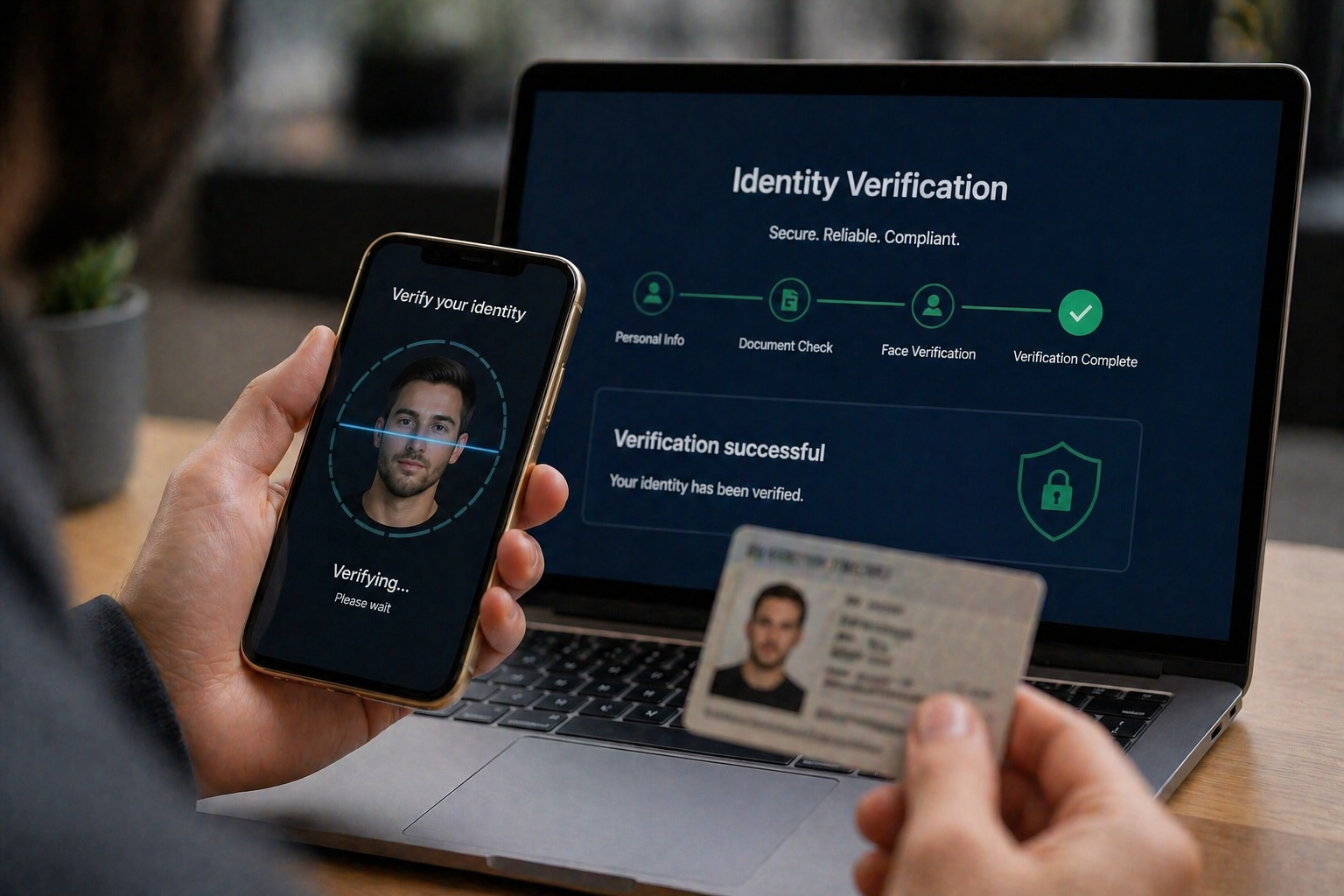
Digital identity verification combines document validation, biometric authentication, and database checks to establish authenticity. Users typically submit personal information and identification documents, which are then analysed and cross-referenced against trusted sources.
An identity verification platform brings these elements together, allowing businesses to perform checks in real time. This not only improves efficiency but also enhances accuracy, making it possible to detect fraudulent attempts that would otherwise go unnoticed.
Why Identity Verification Matters in the Digital Economy
The growing reliance on digital services has made identity verification more important than ever. Businesses are now interacting with users across borders, often without any physical contact. While this increases accessibility, it also introduces new risks.
One of the most significant concerns is identity fraud. Criminals are using advanced techniques such as synthetic identities, stolen credentials, and manipulated data to bypass traditional systems. The use of a fake document has become increasingly sophisticated, making it harder to distinguish between legitimate and fraudulent users.
Financial losses are only part of the problem. Organisations that fail to prevent fraud may also face reputational damage and regulatory penalties. This has led many businesses to invest in identity verification software that can detect anomalies and flag suspicious activity in real time.
At the same time, user expectations are evolving. Customers want fast onboarding processes, but they also expect their data to be protected. This creates a need for solutions that can balance convenience with security.
Trust has become a competitive advantage. Platforms that demonstrate strong identity verification practices are more likely to attract and retain users, making IDV a key factor in long-term success.
How Identity Verification Works
Although the technology behind identity verification is complex, the process itself follows a structured workflow designed to ensure both accuracy and efficiency.
The journey begins with the collection of user information, including name, date of birth, and address. In some cases, additional data points such as SSN verification are required, particularly in regions where social security numbers are used for identity validation.
The next step involves document verification. Users upload a government-issued ID, which is analysed for authenticity. Advanced systems examine security features, formatting, and potential signs of tampering to ensure the document is genuine.
Biometric authentication adds another layer of protection. Facial recognition and liveness detection technologies confirm that the individual presenting the document is physically present and matches the identity provided. This step is particularly effective in preventing fraud involving stolen or altered documents.
Once these checks are complete, the system cross-references the information with trusted databases. This may include government records or financial data sources. Based on the results, the system determines whether to approve the user, request additional verification, or flag the case for further review.
An Identity Verification API allows businesses to integrate these processes directly into their platforms, creating a seamless experience for users while maintaining strong security measures.
Key Use Cases of Identity Verification
Identity verification is now widely used across multiple industries, reflecting its importance in modern digital operations.
Financial Services and Fintech
Banks and fintech companies rely on ID verification to comply with regulatory requirements and prevent fraud. Verifying customer identities is essential for maintaining the integrity of financial systems and ensuring secure transactions.
E-commerce and Online Marketplaces
Online platforms use identity verification to reduce fraudulent transactions and protect both buyers and sellers. By confirming user identities, businesses can minimise disputes and improve overall trust.
Telecommunications
Telecom providers use identity verification when issuing SIM cards or activating new accounts. This helps prevent misuse and ensures compliance with regulatory requirements.
Digital Platforms and Social Media
Online platforms use identity verification to combat fake accounts and improve user safety. This is particularly important in maintaining platform integrity and preventing abuse.
Remote Work and Digital Hiring
As remote work becomes more common, businesses need to verify the identity of employees and contractors. Identity verification helps ensure that organisations are working with legitimate individuals.
Regulatory Relevance and Compliance
Regulation is one of the primary drivers behind the adoption of identity verification. Governments and regulatory bodies around the world are introducing stricter requirements to combat financial crime and protect consumers.
Frameworks such as Know Your Customer (KYC) and Anti-Money Laundering (AML) require businesses to verify the identities of their users before providing services. These regulations are particularly important in industries such as banking, fintech, and cryptocurrency.
Failure to comply with these requirements can result in significant penalties, including fines and operational restrictions. As a result, organisations are investing in identity verification solutions to ensure compliance while maintaining efficiency.
Another important trend is the shift toward continuous monitoring. Regulators now expect businesses to go beyond one-time verification and actively monitor user activity over time. This approach helps identify suspicious behaviour and reduces the risk of fraud.
Challenges in Implementing Identity Verification
Despite its importance, implementing identity verification is not without challenges. One of the most significant issues is balancing security with user experience. A process that is too complex can lead to frustration and user drop-off, while a process that is too simple may not provide adequate protection.
Privacy concerns also play a major role. Users are increasingly aware of how their personal data is collected and used. Businesses must ensure that they handle this data responsibly and comply with data protection regulations.
Another challenge is the diversity of identity documents across different regions. Global platforms must be able to verify a wide range of document types, which requires advanced technology and extensive databases.
Fraudsters are also evolving their techniques. The use of deepfakes and synthetic identities presents new challenges that require continuous innovation in verification methods.
How Modern Businesses Are Adopting Identity Verification
Businesses are adopting identity verification in increasingly sophisticated ways to address both security and operational needs.
Artificial intelligence has become a central component of modern ID verification solutions. AI-driven systems can analyse documents, detect anomalies, and identify patterns that may indicate fraudulent activity. This reduces the need for manual intervention and improves overall efficiency.
API-based integration is another key development. By using an identity verification platform, businesses can embed verification processes directly into their applications, creating a seamless user experience.
Layered security approaches are also becoming more common. By combining document verification, biometric authentication, and behavioural analysis, organisations can create a more comprehensive defence against fraud.
Continuous verification is an emerging trend that extends beyond initial onboarding. Businesses are now monitoring user activity throughout the lifecycle, enabling them to detect suspicious behaviour in real time and respond quickly to potential threats.
The Future of Identity Verification
The future of identity verification is likely to be shaped by advances in technology and changing user expectations. One of the most promising developments is decentralised identity, which gives individuals greater control over their personal data.
Reusable digital identities are also gaining attention. Instead of verifying their identity multiple times, users may be able to reuse credentials across different platforms. This could significantly reduce friction while maintaining security.
Biometric technology is expected to continue evolving, offering more accurate and user-friendly solutions. At the same time, privacy-focused innovations are emerging, enabling verification without exposing sensitive information.
These developments suggest that identity verification will become more seamless, secure, and user-centric in the years ahead.
Conclusion
Identity Verification (IDV) has become an essential component of the digital economy, enabling businesses to operate securely while delivering seamless user experiences. As digital interactions continue to expand, the need for reliable identity verification will only increase.
From preventing fraud to ensuring regulatory compliance, ID verification supports a wide range of critical functions. It helps organisations build trust, protect their platforms, and meet the demands of an increasingly complex digital landscape.
While challenges remain, advancements in technology are making identity verification more efficient, accurate, and accessible. For businesses navigating today’s digital environment, adopting effective identity verification solutions is not just a technical requirement. It is a strategic necessity.
In a world where digital identity defines access and opportunity, the ability to verify that identity is fundamental. It is the foundation upon which trust, security, and long-term success are built.