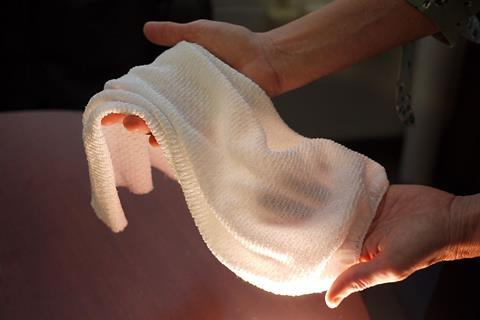
Maintaining a stable internal body temperature in fluctuating weather conditions depends heavily on the physics of clothing textiles. When temperatures drop, human physiology naturally works to preserve core heat by constricting peripheral blood vessels, which can leave extremities feeling stiff and uncomfortable. Choosing outerwear with the appropriate structural engineering allows wearers to create a balanced microclimate around the torso, preventing both sudden heat loss in cold winds and damp overheating during physical exertion.
Understanding how jacket fabrics retain heat requires exploring the interplay between fiber chemistry, textile density, and radiant heat mechanics. Rather than generating warmth on their own, clothing materials act as thermal insulators that capture and hold the radiant energy your body naturally produces.
The Thermodynamics of Textile Insulation and Dead Air Spaces
The fundamental principle governing warmth in apparel is the capture of dead air. Still air is one of the most efficient natural thermal insulators available. When fabric fibers create millions of microscopic pockets where air cannot circulate freely, heat transfer via conduction and convection slows down dramatically.
When cold external drafts hit a garment, the outer barrier deflects the moving air while internal fibers prevent the trapped warm air from escaping into the environment.
A high-performance fleece jacket demonstrates this principle through its dense, napped yarn construction. By brushing synthetic polyester loops into a high-loft pile, textile mills create an expansive network of microscopic chambers that trap rising thermal warmth directly against the body without adding substantial physical bulk.
Conduction, Convection, and Evaporative Cooling
To understand how clothing traps body heat, one must look at the three primary pathways of thermal loss:
- Conduction: Heat moving directly from warm skin into cold solid objects or damp fibers resting against the body.
- Convection: Chilly breezes moving across the surface of clothing and sweeping away the thin layer of warmth trapped near the skin.
- Evaporative Cooling: Moisture from perspiration converting into vapor, pulling latent heat away from the body in the process.
Balancing these forces requires technical materials that restrict conduction and convection while allowing moisture vapor to escape before it condenses into chilling sweat.
Trapping Loft with Technical Outerwear
When temperatures drop toward freezing or biting winter winds pick up, single-layer fleece knits need external support to prevent wind from stripping trapped air away. Layering a structured insulated jacket over a mid-layer creates a dual-barrier system that blocks ambient drafts on the outside while preserving thermal loft within.
An insulated shell pairs a wind-resistant woven exterior with a high-loft internal core, preventing exterior gusts from penetrating the garment and disrupting the warm microclimate around the torso.
Understanding the balance between fleece fabric properties and outer protective shells is the foundation of layering clothes in cold weather, giving individuals complete control over their physical comfort across shifting climates.
Comparing Insulation Types: Down versus Synthetic Fill
When examining types of jacket insulation, textile engineers divide fills into two distinct categories: natural down clusters and continuous synthetic microfibers. Each material manages thermal energy through unique physical structures.
Natural down consists of three-dimensional plumules harvested from waterfowl. These delicate clusters expand into an intricate network of interlocking filaments, delivering unmatched loft and an exceptional warmth-to-weight ratio. Down compresses into tiny pack volumes and re-expands rapidly. Its primary weakness is water: when exposed to heavy rain or sweat, down plumules collapse into a soggy mass, losing their dead-air chambers and thermal retention capabilities entirely.
Synthetic insulation uses engineered polyester microfibers designed to mimic the three-dimensional geometry of down plumules. Because polyester fibers are naturally hydrophobic, they resist absorbing liquid moisture. If synthetic fill gets damp, the spring-like filaments maintain their structural loft, continuing to trap dead air and insulate even in wet conditions.
| Performance Metric | Natural Down Clusters | Synthetic Polyester Microfibers |
| Warmth-to-Weight Ratio | Exceptionally high | Moderate to high |
| Wet-Weather Performance | Collapses; loses thermal loft | Maintains loft; insulates when wet |
| Drying Time | Slow; requires controlled drying | Rapid; fibers do not absorb moisture |
| Compressibility | High packability and recovery | Moderate packability |
| Care and Maintenance | Demands gentle down-wash routines | Resilient against standard laundering |
Breathability and Vapor Permeability in Outerwear
Insulation alone cannot keep the body comfortable if moisture cannot escape. During physical movement—such as brisk walking, cycling, or climbing stairs—the human body releases water vapor to regulate its core temperature. If a coat uses completely impermeable plastic barriers, this moisture condenses on the inside of the shell, soaking mid-layers and accelerating conductive heat loss.
Modern breathable outerwear materials resolve this challenge through microporous polymer membranes. These membranes feature billions of microscopic pores per square inch that are roughly 20,000 times smaller than a water droplet, but 700 times larger than a water vapor molecule.
External rain and melting snow cannot penetrate the tight molecular grid, yet internal perspiration vapor passes freely through the membrane, keeping the wearer dry, warm, and comfortable.
Sourcing Standards and Supply Discipline
Modern outerwear development combines thermal science with refined everyday design. Quality manufacturers focus on fiber consistency, balanced baffle construction, and select breathable barrier membranes to ensure consistent real-world performance.
Brands like Simplstc Apparel apply these functional textile principles across their apparel lines, offering balanced mid-layers and protective outer shells built for transitional and cold climates. Through platforms such as simplstcapparel.com, modern outerwear combines clean styling with technical fiber management to deliver dependable temperature regulation without unnecessary weight.
Assembling an Efficient Thermal Microclimate
Mastering personal climate control comes down to understanding how textiles handle heat, wind, and moisture. By combining moisture-wicking synthetic base layers, high-loft fleece mid-layers, and wind-blocking insulated shells, you create a modular system that adapts effortlessly to temperature shifts.
Knowing how jacket fabrics retain heat turns everyday dressing into a practical science, ensuring you stay comfortable, dry, and protected across every outdoor setting.
I appreciate the information about how individual experiences can vary with a balanced perspective.
I appreciate the information about understanding sleep supplements that is practical and straightforward.
This post offers how this article covers making informed wellness decisions in clear language.
Helpful overview of this overview of evaluating online product reviews in an easy-to-follow way.
mostbet авторизация mostbet авторизация
I found the explanation of the points raised about reading digestive health claims critically without overcomplicating the subject.
Hello friends, how iss all, and wwhat youu desire to say conccerning this article, iin my view its actually remarkable designed for me.
xnxx
I found this article useful. It is a good idea to make an informed decision rather than relying on advertising alone. I appreciate the reminder to do independent research.
This explanation is easy to follow. Checking the official product information can help clarify the details. Clear information helps readers ask better questions.