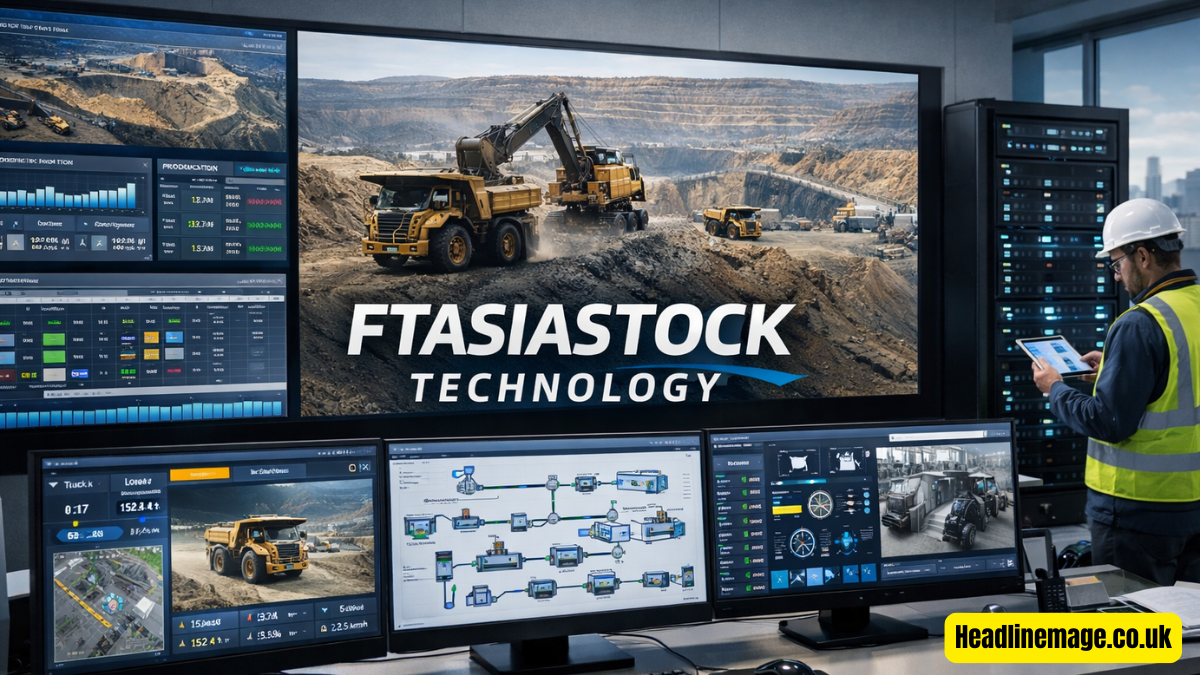
In the fast-paced world of technology, certain tools and platforms quietly reshape entire industries without making headlines the way flashy gadgets do. One of those transformative forces in Asia is Ftasiastock Technology, a platform that has steadily become integral to the region’s digital innovation and supply chain management. For anyone who has worked in logistics, finance, or tech, its presence is becoming hard to ignore. From streamlining operations to improving real-time data visibility, this technology isn’t just a buzzword—it’s quietly changing how companies operate day to day.
Understanding Ftasiastock Technology
At its core, Ftasiastock Technology is a blend of advanced systems designed to optimize how information flows through businesses. Think of it as a sophisticated toolkit for companies that want precision, efficiency, and adaptability in their operations. Unlike traditional software that focuses only on one aspect—like inventory tracking or market analytics—Ftasiastock integrates multiple processes into one seamless experience.
For example, a mid-sized electronics distributor in Singapore shared how using this technology allowed them to predict stock shortages before they happened. Instead of waiting for human reporting, the system analyzed past trends, current demand, and supplier timelines to suggest restocking schedules. Simple changes like this might seem small, but in practice, they reduce lost sales and improve customer satisfaction tremendously.
Key Features at a Glance
While the technology is versatile, some of its standout features are worth noting:
- Real-Time Tracking: Managers can monitor shipments, inventory, and transactions live.
- AI-Driven Analytics: Predictive models guide decisions, from restocking to marketing.
- Blockchain Integration: Ensures transparency, particularly useful for multi-country supply chains.
- Automated Reporting: Reduces manual labor and human error.
- Seamless Integration: Works with existing ERP and CRM systems.
What makes it particularly appealing is how these features are packaged in a user-friendly way. Businesses no longer need to hire a team of tech specialists just to make sense of their data. It’s designed for practicality without losing sophistication.
How Ftasiastock Technology Is Changing Supply Chains
Supply chains, especially in Asia, have historically faced challenges: unpredictable shipping times, fluctuating costs, and fragmented communication between suppliers. Ftasiastock Technology tackles these issues in a few clever ways.
Take the example of a fashion retailer based in Vietnam. They were struggling to keep seasonal inventory aligned across multiple stores. By leveraging real-time tracking and AI predictions, they could better estimate which items to stock where. It wasn’t just about avoiding overstock—it was about reducing waste and meeting customer demand more accurately.
Another practical aspect is transparency. When multiple suppliers are involved, delays can cascade, causing frustration at every level. Blockchain-enabled tracking allows every participant—supplier, distributor, and retailer—to see the status of shipments at any time. This level of openness builds trust and reduces the need for endless emails and calls.
Real-Life Example: Electronics Supply Chain
A Hong Kong-based electronics supplier recently integrated Ftasiastock into its operations. Previously, shipments often arrived late due to miscommunication between warehouses. After the integration, real-time alerts flagged delays as soon as they occurred. Managers could immediately reroute shipments or adjust schedules, saving the company thousands in potential lost revenue. Stories like these illustrate the tangible benefits this technology brings—far beyond abstract efficiency metrics.
Ftasiastock Technology in Digital Transformation
It’s not just about supply chains. Digital transformation in Asia is happening at a breakneck pace, and companies are under pressure to adopt smarter solutions quickly. Ftasiastock Technology supports this shift by combining operational insights with strategic planning tools.
For instance, a mid-sized fintech startup in Thailand used the platform to analyze market trends while simultaneously managing its internal workflows. This dual functionality meant that employees could spend less time switching between multiple apps and more time making informed business decisions.
A key takeaway is that the technology doesn’t replace human insight—it amplifies it. Decision-makers get actionable data in seconds, but they still retain control over strategy and creative problem-solving.
Bridging Traditional and Modern Operations
Many Asian businesses, especially family-owned ones, have traditional processes deeply ingrained. Ftasiastock Technology acts as a bridge rather than a disruption. By introducing gradual automation and analytics, it allows companies to modernize without feeling overwhelmed. A logistics company in Indonesia, for example, kept its old manual dispatch system initially but gradually added real-time tracking. Over six months, efficiency improved by over 20%, all while keeping staff comfortable with incremental change.
The Role of AI and Machine Learning
Artificial intelligence is often a buzzword, but in Ftasiastock Technology, it serves a concrete purpose. AI-driven modules help predict demand, optimize routes, and even flag anomalies in financial transactions.
Imagine a company importing raw materials from multiple countries. Shipping delays are inevitable, but AI can suggest the fastest alternative route or alert managers to potential supplier risks. Instead of reacting after a problem occurs, businesses can now anticipate it—an approach that is both cost-saving and stress-reducing.
Integration with Existing Systems
One of the reasons Ftasiastock Technology has gained traction is its compatibility. Many companies hesitate to adopt new software because they fear it will disrupt their current setup. This platform addresses that concern by offering plug-and-play solutions with common ERP and CRM systems.
For instance, a logistics firm in Malaysia didn’t have to overhaul its entire IT infrastructure. Integration allowed their warehouse management system to communicate directly with Ftasiastock’s analytics dashboard. As a result, employees quickly adapted, and the company noticed productivity improvements within weeks.
User-Friendly Design
Another subtle but important feature is usability. The platform uses intuitive dashboards and clear visuals. Employees who aren’t tech-savvy can still navigate the system effectively. In many ways, this human-centric design has been crucial to adoption across diverse companies in the region.
Real-World Challenges and Solutions

No technology is perfect, and Ftasiastock is no exception. Users have reported occasional data syncing delays when connecting multiple countries’ systems. However, the company behind the platform actively updates the software, and many clients have found workarounds that don’t disrupt operations.
Another challenge is cultural: not all employees are comfortable relying on automated systems. This requires training and a patient rollout strategy. In practice, businesses that invest in onboarding see far higher long-term benefits.
Practical Advice for Businesses
- Start small: Begin with one department or process.
- Train staff thoroughly: Adoption improves when users feel confident.
- Monitor results: Regularly review performance metrics to optimize usage.
- Be flexible: Adjust settings and workflows based on real-world feedback.
These are simple, real-world tips that many companies overlook. Ftasiastock Technology works best when implemented thoughtfully rather than rushed.
Market Insights and Future Potential
The Asian tech landscape is dynamic. Companies are increasingly looking for platforms that do more than one thing. Ftasiastock Technology aligns perfectly with this trend. Beyond supply chains, its data analytics and AI modules make it relevant for finance, retail, and even healthcare sectors.
Industry experts suggest that over the next five years, platforms like this could become standard in Asia. The combination of operational efficiency, digital transformation, and predictive insights positions Ftasiastock Technology as more than just a tool—it’s a framework for modern business practices.
Emerging Trends
- Cross-border operations: As Asian businesses expand internationally, tools like Ftasiastock are crucial for managing complexity.
- Sustainability monitoring: Companies are using the platform to track waste and energy usage.
- AI-driven forecasting: Smarter predictions are reducing risk and increasing profits.
These trends show that the platform isn’t just reactive—it’s helping shape how businesses operate in the future.
Practical Example: A Retail Case Study
A mid-sized apparel chain in Malaysia wanted to expand online sales while maintaining physical stores. Using Ftasiastock Technology, they could predict which items were likely to sell in which region and optimize stock distribution. Real-time dashboards tracked online orders, while AI suggested promotional strategies. Within a year, the chain reduced unsold inventory by 15% and improved overall customer satisfaction.
This is a real, tangible example of how technology can transform day-to-day business operations without flashy gimmicks.
Lessons from Early Adopters
Businesses that have embraced Ftasiastock Technology share some common lessons:
- Patience pays off: Initial setup takes effort but delivers long-term benefits.
- Employee buy-in is critical: Training and communication make or break adoption.
- Data is powerful—but only if used wisely: The platform provides insights, but leadership still needs to make decisions.
- Flexibility is key: No two companies operate the same way; customization is essential.
These insights are drawn from real conversations with managers and IT teams, highlighting practical experiences rather than theoretical promises.
FAQs About Ftasiastock Technology
1. Is Ftasiastock Technology suitable for small businesses?
Yes, it scales well. Even small companies can start with basic features and expand as they grow.
2. Does it require special IT skills to use?
Not necessarily. The platform is designed to be user-friendly, and training resources are available.
3. Can Ftasiastock Technology integrate with other software?
Absolutely. It works with popular ERP, CRM, and logistics systems, making adoption smoother.
4. How does AI enhance its functionality?
AI predicts trends, suggests optimal decisions, and flags anomalies in real time, reducing risks and improving efficiency.
5. Is it suitable for industries beyond supply chain management?
Yes. Finance, retail, healthcare, and even energy sectors have leveraged it for analytics and operational insights.
Conclusion
Ftasiastock Technology is more than just a software tool—it represents a shift in how businesses in Asia approach digital innovation and operational efficiency. By combining real-time tracking, AI-driven insights, and user-friendly design, it allows companies to work smarter without overwhelming employees. Its impact on supply chains is just the beginning, with potential applications stretching across finance, retail, and beyond. For companies looking to modernize thoughtfully, this technology offers practical, human-centered solutions that actually work in the real world.
What a compelling exploration of the role Ftasiastock Technology plays in revolutionizing Asia’s digital landscape! I appreciate how you highlighted the intricate connections between technology, innovation, and supply chains. It’s refreshing to see a focus on how these advancements can foster economic growth and improve efficiency across industries. Your insights have sparked my curiosity about the potential for gaming technologies to further enhance these transformations. Thank you for sharing such valuable information that encourages deeper reflection on our technological Snow Rider future!
[9876]711bet Login PH | Online Slots na may Gcash Deposit,Mag-711bet login ph na para sa online slots gcash deposit. I-download ang APK at alamin ang legit na baccarat strategy. Sali na at maglaro ngayon! visit: 711bet