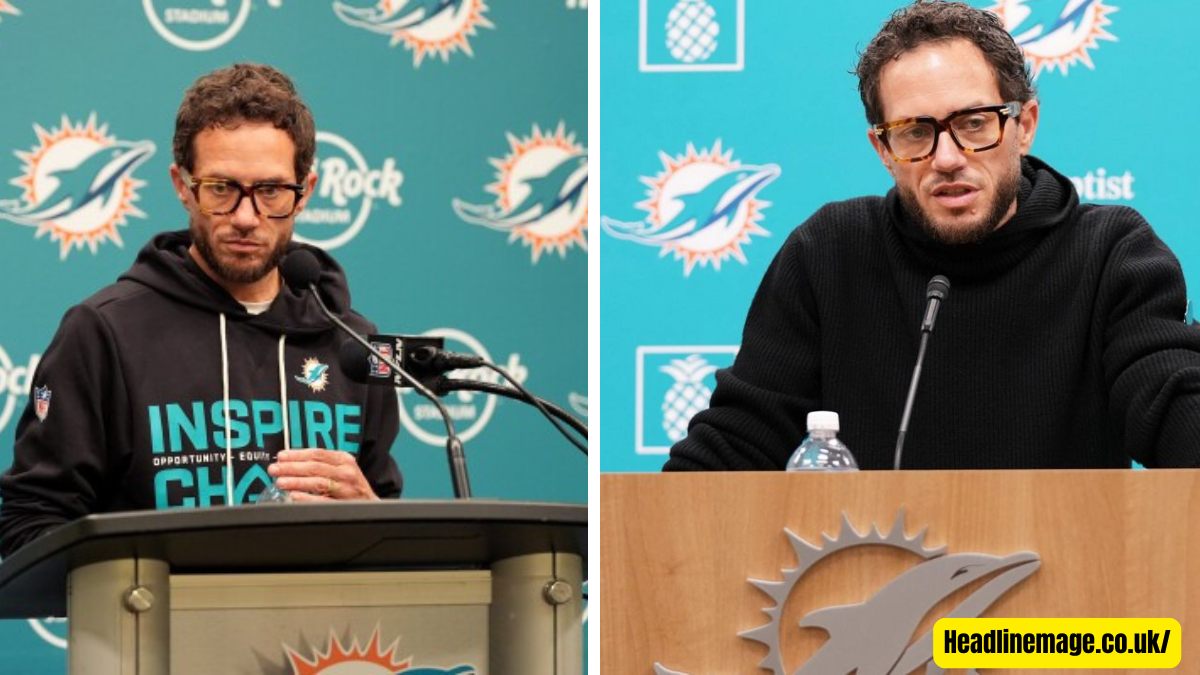
The news of Mike McDaniel fired by the Miami Dolphins sent shockwaves through the NFL community. After four seasons at the helm, McDaniel’s tenure ended following a challenging 7-10 season. For fans, players, and analysts alike, the move sparked countless discussions: Was it expected? Could things have turned out differently? And what does this mean for the Dolphins’ future?
As someone who has followed NFL coaching trends closely for years, I can say that decisions like this are never simple. Coaches are under immense pressure to deliver, and even a minor decline in performance can lead to big consequences. Let’s break down the situation, explore McDaniel’s time in Miami, and understand what comes next.
The Rise of Mike McDaniel in the NFL
Mike McDaniel wasn’t always a head coach in Miami. His coaching journey began long before he took on the Dolphins, working his way through offensive roles and gaining a reputation as a creative, detail-oriented mind. Fans remember when McDaniel helped shape some of the most innovative offensive plays in recent seasons. He became known for blending traditional strategies with modern analytics—a rare combination in today’s NFL.
His hiring in Miami was met with excitement. Many thought the Dolphins were making a forward-thinking move, investing in a coach who could push their offense to new heights. Early seasons showed flashes of brilliance, especially in games where Miami’s playcalling looked unpredictable and exciting. But as many NFL followers know, coaching success is never static.
The 2025 Season: Struggles and Setbacks
While Mike McDaniel fired headlines focus on the outcome, it’s important to understand what led here. The 2025 season started with optimism, yet inconsistencies quickly became evident. Miami struggled in key matchups, failing to convert close games into wins. Injuries played a role, sure, but the overall team execution often fell short of expectations.
A friend of mine who’s been following the Dolphins for decades said, “You can forgive one rough patch, but when it keeps happening, patience wears thin.” And that perfectly sums up the situation. Fans and management alike grew frustrated as the team missed opportunities, ultimately finishing 7-10.
Key Factors Behind the Decision
Several factors contributed to the Dolphins’ decision to part ways with McDaniel:
1. Missed Playoff Opportunities
Two consecutive seasons of missing the playoffs was likely a tipping point. In the NFL, playoff contention is the ultimate benchmark. Teams invest millions in players and coaching, and failure to reach postseason success often carries consequences.
2. Offensive Inconsistency
Despite McDaniel’s innovative approach, the offense struggled with consistency. There were games where Miami looked unstoppable, but just as often, the team fell apart in critical moments. For a coach praised for creative offense, these lapses became glaring.
3. Player-Coach Dynamics
Reports from inside the Dolphins hinted at occasional disconnects between McDaniel and some key players. Whether it was miscommunication or differences in approach, such dynamics can affect on-field performance and locker room morale.
4. Pressure from Management and Fans
Stephen Ross, the Dolphins’ owner, has shown a willingness to make bold decisions. Coupled with fan frustration, the pressure to make a coaching change mounted. In professional sports, perception matters almost as much as results.
What Mike McDaniel Accomplished in Miami
Even with a rough ending, McDaniel’s tenure was not without achievements. He helped develop young talent, brought fresh offensive ideas, and showed that he could adapt under pressure. Some players publicly credited him for improvements in their game, which speaks to his coaching acumen.
During his four years, McDaniel’s teams often ranked high in certain offensive metrics. He introduced plays that made Miami a challenging team to defend against when executed well. Many analysts believe his schemes laid the groundwork for future coaches to build upon.
Fan Reactions and Media Coverage
When news broke that Mike McDaniel fired, social media lit up. Some fans expressed sadness, pointing out his dedication and innovative style. Others felt it was inevitable, citing two consecutive disappointing seasons. Analysts debated whether the decision was too harsh or long overdue.
Media coverage emphasized both the surprise and the logic behind the move. Headlines ranged from shocked to analytical, reflecting the divided public opinion. In interviews, McDaniel himself remained professional, acknowledging the challenges of the past seasons while hinting at future opportunities.
What Comes Next for Miami Dolphins
Now that McDaniel is gone, Miami faces crucial decisions. Who will take over as head coach? Should the team stick with a similar offensive philosophy or pivot to a different approach entirely? These questions dominate conversations among fans and sports commentators alike.
The new coach will inherit a roster with potential but also weaknesses. Key players need guidance, and any misstep in the hiring process could prolong the team’s struggles. For management, this decision is both high-stakes and highly scrutinized.
Possible Landing Spots for Mike McDaniel
While Dolphins fans process the firing, McDaniel himself may explore other coaching opportunities. Former NFL coaches often find new roles quickly, either as head coaches for other teams or as offensive coordinators. His reputation as an offensive innovator remains intact, which could attract teams looking for fresh ideas.
Some insiders speculate that he could return to a coordinator role to refine strategies before stepping back into a head coaching position. Others believe he may consider college football, where his skills could have a big impact. Only time will tell where he lands.
Lessons from the McDaniel Firing
From a broader perspective, the story of Mike McDaniel fired offers insights into NFL culture and sports leadership:
- Patience is limited: Even innovative coaches face scrutiny if wins don’t materialize.
- Adaptability matters: Adjusting to roster changes, injuries, and opponents is crucial.
- Fan and media pressure influence decisions: Professional sports operate in the public eye, making perception as important as results.
- Legacy is complex: While McDaniel’s ending was rough, his contributions to the Dolphins are still recognized.
For anyone studying sports management or coaching careers, McDaniel’s journey is a real-world example of highs, lows, and the constant pressure of professional football.
Real-Life Coaching Insights
Having talked to several former players and coaches, one thing is clear: losing a head coaching position isn’t the end. Many use it as a learning experience. McDaniel likely gained insights into roster management, in-game adjustments, and leadership under pressure—knowledge that could serve him well in future roles.
I’ve seen this pattern personally in other sports. Coaches who appear to fail sometimes return stronger because they learn from mistakes and refine their philosophy. In that sense, McDaniel’s firing may be less of an ending and more of a reset.
How Fans Can Process Coaching Changes
For Dolphins fans, it’s tough to see a coach go. Emotional investment is natural, and discussions online often become heated. My advice, from observing fan communities for years, is to focus on the bigger picture:
- Evaluate team performance objectively.
- Recognize that coaching is only one factor in wins and losses.
- Stay informed about new hires and roster adjustments.
- Appreciate the contributions of outgoing coaches.
Sports is cyclical. Teams rise and fall, but understanding the dynamics behind these changes helps fans stay grounded.
What Analysts Say About the Move
Most analysts agree that Mike McDaniel fired was a logical, if difficult, decision. Miami needed a fresh approach to revive its playoff ambitions. Some argue that McDaniel’s firing reflects a broader NFL trend: teams expect rapid results, and patience is rare.
Others highlight McDaniel’s offensive creativity as a reason why he’ll likely find another role soon. His schemes remain admired, and that reputation is a strong asset in the coaching marketplace.
Conclusion
The firing of Mike McDaniel marks the end of a notable chapter for the Miami Dolphins. While results ultimately fell short, his impact on the team’s offense and culture cannot be ignored. Fans, analysts, and players now look forward to the next chapter—both for the Dolphins and for McDaniel himself. Change is never easy in professional sports, but it often leads to new opportunities and renewed energy.
FAQs
1. Why was Mike McDaniel fired by the Miami Dolphins?
He was let go after two consecutive seasons of missing the playoffs and inconsistent team performance.
2. How long was Mike McDaniel head coach of the Dolphins?
McDaniel led the team for four seasons before being dismissed.
3. What were the main criticisms of McDaniel’s coaching?
Inconsistency on offense, missed close games, and occasional player-coach disconnects were cited as concerns.
4. Where could Mike McDaniel go next?
Potential options include returning as an offensive coordinator, taking another NFL head coaching role, or exploring college football opportunities.
5. Did fans react negatively to McDaniel’s firing?
Reactions were mixed—some fans expressed disappointment, while others viewed the move as necessary for team improvement.