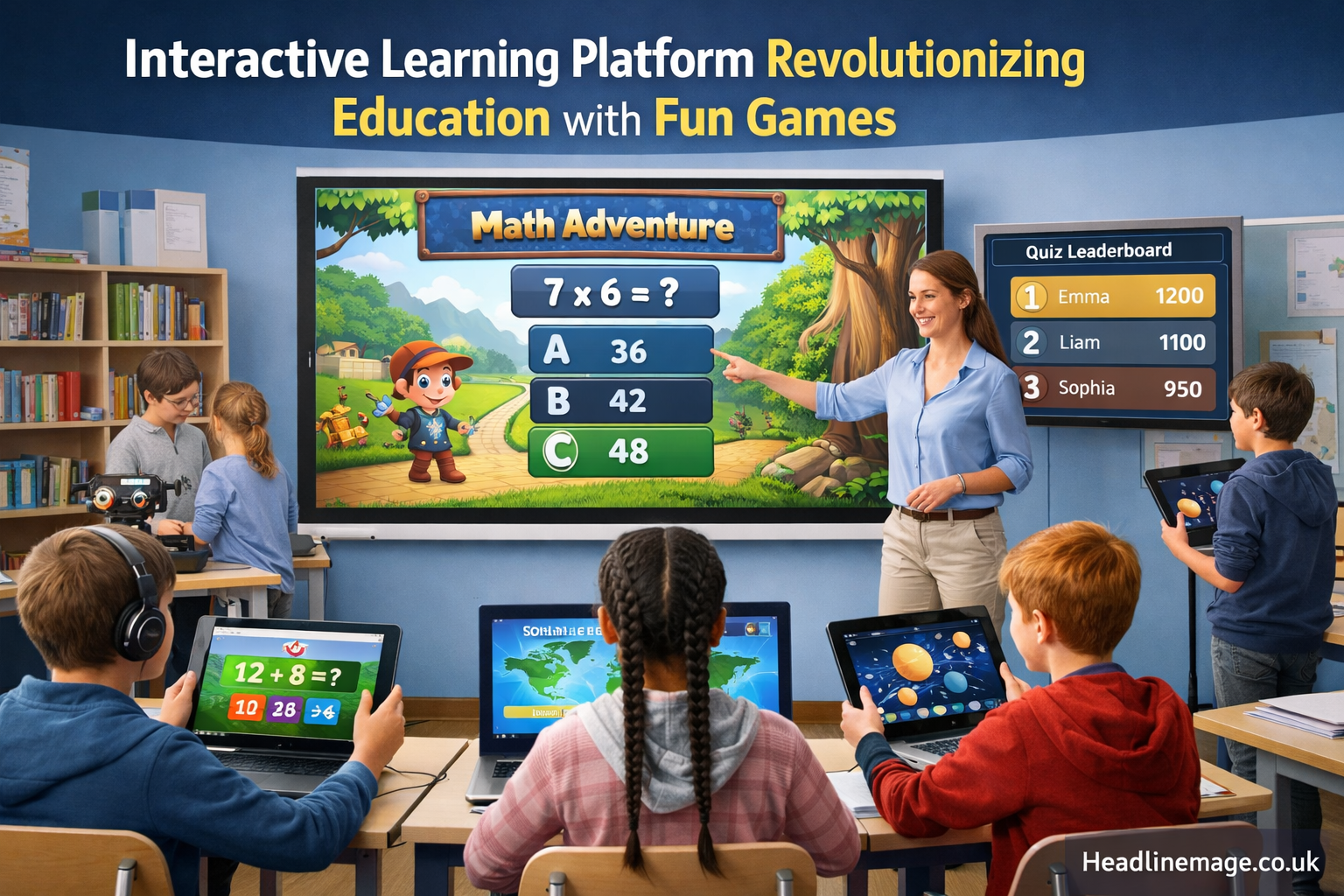
Education has always been evolving, but over the last decade, the shift from traditional classrooms to digital learning environments has accelerated dramatically. Among the many innovations emerging in this space, Classroom 30x stands out as an interactive platform that combines learning with gamified experiences. I first came across it while helping my cousin with her middle school projects, and honestly, it was one of the few tools that actually kept her engaged for more than twenty minutes straight. Unlike conventional methods that rely on rote memorization, this platform encourages students to interact, experiment, and solve problems in a playful environment.
What Makes Classroom 30x Different from Traditional Learning
Most classrooms today still follow the same century-old model: a teacher talks, students listen, and homework is assigned. The problem? Engagement is low, and students often forget lessons as soon as exams are over. Classroom 30x addresses this by turning learning into an active process.
For instance, I noticed that students working on math problems in Classroom 30x weren’t just crunching numbers—they were coding small games that demonstrated concepts like ratios or probability. The hands-on approach makes abstract concepts tangible. In my personal experience, when kids can see what they’re learning in action, they retain it better.
Another difference is accessibility. Unlike some software that requires downloads, passwords, or complex setups, this platform is browser-based and ready to go. From personal observation, this simplicity lowers the barrier for teachers and students, making technology less intimidating.
How Gamification Enhances Learning
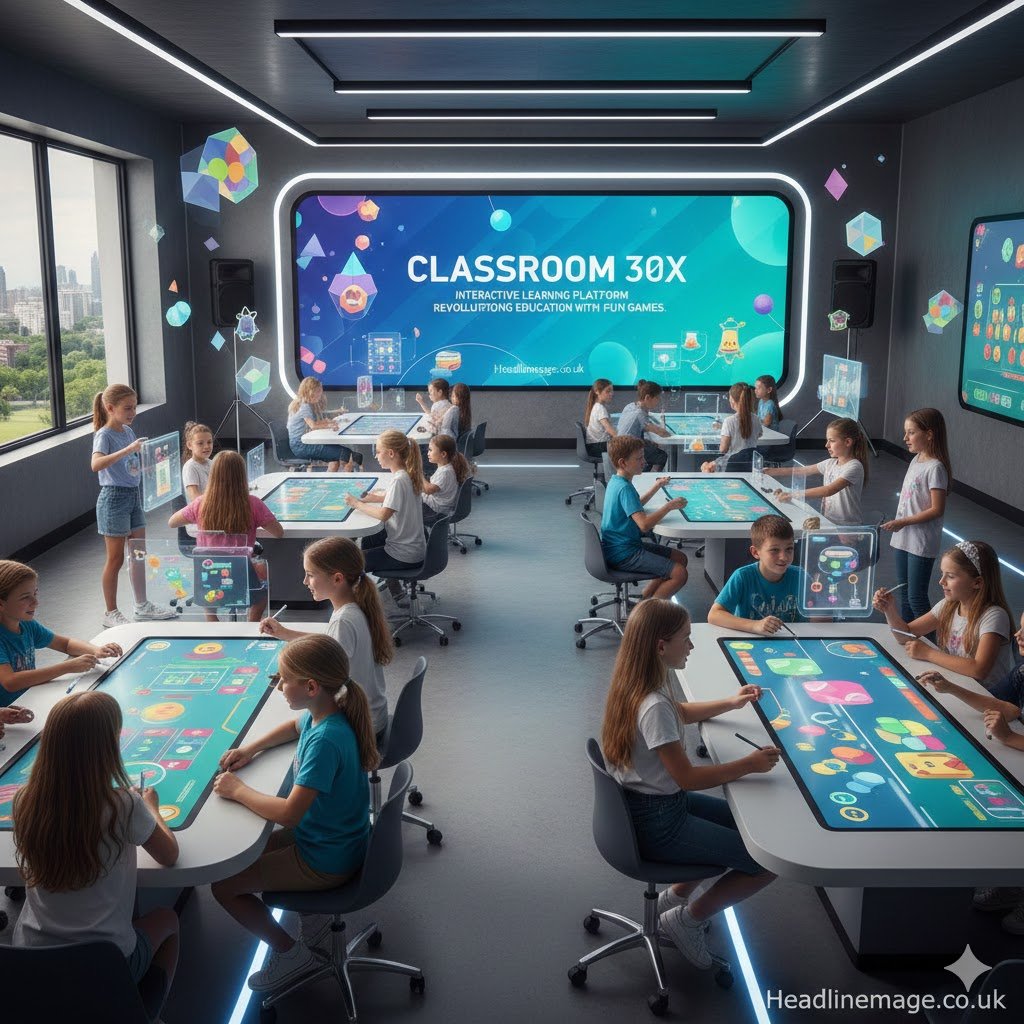
Gamification is one of the core strengths of Classroom 30x. By integrating game mechanics like points, badges, and levels into lessons, students experience motivation differently. I’ve seen a student’s eyes light up after finally solving a tricky coding puzzle—something that might have felt impossible in a traditional lecture.
Games in learning aren’t just fun; they teach persistence, problem-solving, and logical thinking. For example, one module allowed students to build a virtual city, applying physics and economics concepts simultaneously. My nephew was more invested in managing resources for his city than in any worksheet I’ve ever seen him complete.
In real life, this mirrors how adults learn: through trial, error, and iterative problem-solving. Classroom 30x captures this essence without the stress and monotony often associated with conventional assessments.
The Role of Interactivity in Modern Education
Interactivity is more than just clicking buttons—it’s about creating experiences where learners respond, test, and explore. Classroom 30x thrives in this area. Lessons aren’t static slides; they’re dynamic scenarios where students make decisions and immediately see outcomes.
Take history lessons, for example. Instead of memorizing dates, students can simulate historical events, make choices as historical figures, and witness consequences unfold. I watched a middle school class debate strategies in a virtual simulation of the American Revolution, and the level of engagement was staggering. These experiences encourage critical thinking and discussion, making the classroom feel alive.
Teachers also benefit because they can monitor progress in real time. Classroom 30x allows educators to see where students struggle, making it easier to provide targeted support rather than generic guidance.
Collaboration Made Simple
One of the features I found most impressive is the collaborative aspect. In my niece’s experience, students could join teams, work on coding challenges together, and share their progress. Collaboration isn’t just encouraged—it’s embedded into the platform’s design.
Collaboration in Classroom 30x mirrors real-world scenarios where people must solve problems together. This builds communication skills, patience, and the ability to handle diverse perspectives. Even shy or reluctant learners often participate more when their contributions are part of a shared project, not an individual assignment.
Real-Life Examples of Classroom 30x in Action
I’ve seen Classroom 30x used in several settings:
- After-school programs: Kids get extra practice in coding and math while playing interactive games. One of my friends runs a small STEM club, and the students stayed twice as long on average when using this platform compared to worksheets.
- Remote learning: During my nephew’s online classes, teachers integrated Classroom 30x to maintain engagement. Lessons that could have been tedious turned into interactive problem-solving sessions.
- Tutoring sessions: Tutors I know use it to explain concepts creatively. For example, fractions were taught by building a pizza-sharing game where students could manipulate slices visually.
These examples show how versatile and adaptable the platform is. It doesn’t replace teachers—it enhances their ability to connect with students in meaningful ways.
Challenges and Considerations
Of course, no tool is perfect. In my experience, some students initially struggled with the interface, particularly those not used to digital learning. Classroom 30x requires a basic level of tech familiarity.
Additionally, while games increase engagement, balance is key. It’s easy for students to get carried away with scoring points rather than internalizing the lessons. That’s where guided supervision comes in—teachers and parents need to ensure the learning objectives remain the focus.
Despite these minor challenges, the benefits far outweigh the drawbacks, especially when compared to traditional methods that often fail to spark curiosity or involvement.
Tips for Getting the Most Out of Classroom 30x
- Start with short sessions: Kids (and adults) can become overwhelmed with too much new information at once. I usually recommend 20–30 minute sessions initially.
- Integrate real-life examples: Use the platform’s simulations to tie lessons to everyday life—like calculating budget for a virtual project.
- Encourage teamwork: Collaboration enhances learning and keeps students accountable.
- Monitor progress: Teachers can track engagement and adapt lessons accordingly.
- Mix with offline activities: Don’t rely entirely on digital platforms; complement lessons with hands-on experiments or discussions.
These practical steps help ensure Classroom 30x remains effective and educational, not just entertaining.
Why Educators Are Turning to Interactive Platforms
Teachers I’ve spoken with increasingly emphasize that traditional methods aren’t enough. Students today are digital natives—they expect interactivity, feedback, and instant engagement. Classroom 30x fits this need perfectly.
From my perspective, platforms like this are part of a broader educational shift toward active learning. By encouraging experimentation, collaboration, and problem-solving, students develop skills that are relevant beyond the classroom. Even simple things like logical thinking and time management improve when students interact with the system regularly.
The Future of Learning with Platforms Like Classroom 30x
Looking ahead, I believe platforms like Classroom 30x will play a central role in education. With AI integration, adaptive learning, and more immersive simulations on the horizon, students will have opportunities to explore topics in ways previously impossible.
Imagine virtual laboratories where chemistry experiments can be conducted safely, or historical reenactments where learners make real-time decisions that affect outcomes. I’ve seen early versions of these simulations, and they’re incredible for building both understanding and confidence. Classroom 30x is laying the groundwork for this kind of future-focused learning.
FAQs About Classroom 30x
1. Is Classroom 30x free to use?
Yes, the platform is web-based and generally accessible without subscription fees, though some advanced features might require institutional access.
2. Can Classroom 30x replace traditional teachers?
Not at all. It’s designed to complement educators by providing interactive tools, not replace the guidance and mentorship that teachers provide.
3. What age group is suitable for Classroom 30x?
It’s versatile. Students from middle school through early college can benefit, depending on the complexity of modules used.
4. Does it require software installation?
No, Classroom 30x is browser-based, making it easy for schools and students to access without complex downloads.
5. How does it improve student engagement?
Through gamification, interactive lessons, and real-time feedback, it turns passive learning into active problem-solving, keeping students motivated.
Conclusion
In a world where education is constantly changing, Classroom 30x provides a bridge between traditional teaching and modern learning needs. By making lessons interactive, gamified, and collaborative, it helps students develop skills that matter both inside and outside the classroom. My personal experience observing its use has shown that learning doesn’t have to be tedious—it can be engaging, meaningful, and even fun.