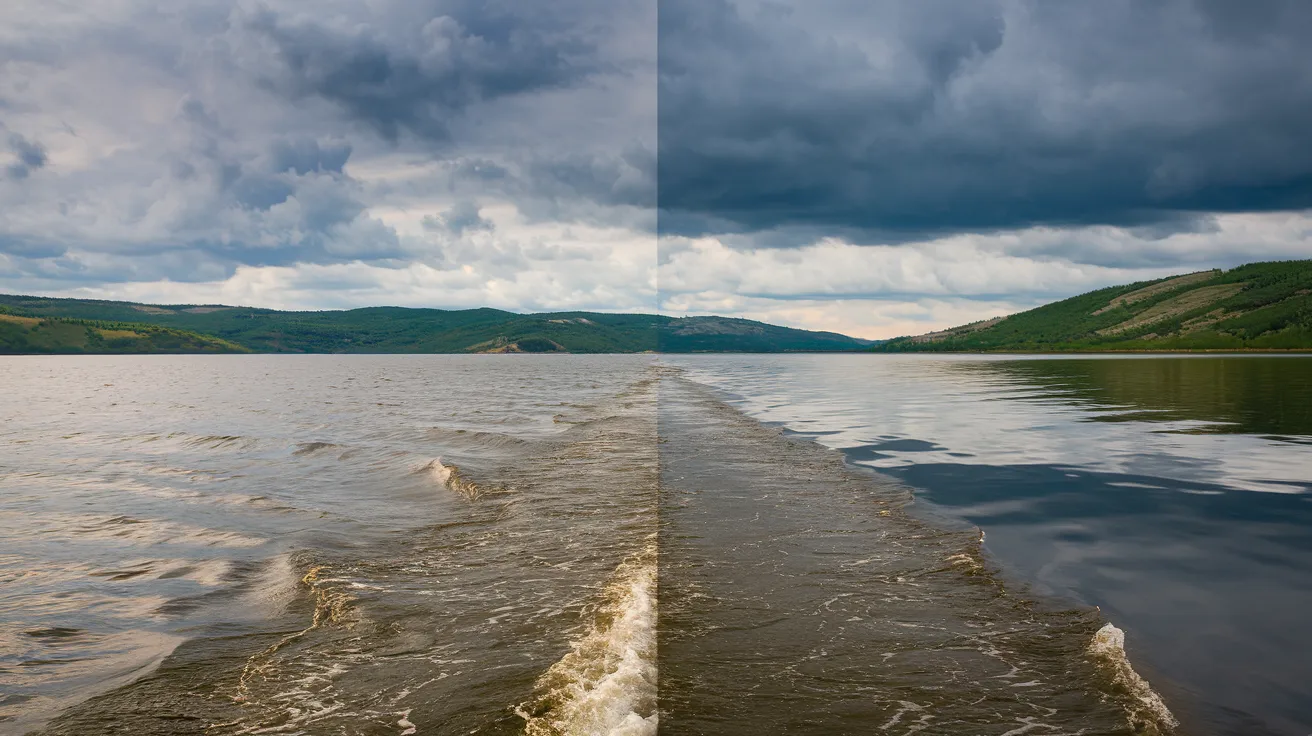
Have you ever wondered why we write some words with big letters and others with small ones? It can be a little confusing! When you are writing about your favorite vacation spot, you might ask, “Is Lake Texoma capitalized?” The answer is a big yes! Because it is the specific name of a beautiful place, we always use capital letters for both “Lake” and “Texoma.”
In this article, we will look at why Lake Texoma Should Be Capitalized and learn some cool things about the lake itself. Whether you are writing a school paper or a social media post, getting your grammar right helps people understand you better. Let’s dive into the world of proper nouns and giant lakes!
The Biography of Lake Texoma
Before we get into the “why” of grammar, let’s look at the “what” of the lake. This table gives you a quick snapshot of this amazing place.
| Feature | Details |
| Official Name | Lake Texoma |
| Location | Border of Texas and Oklahoma |
| Year Created | 1944 (Impounded) |
| Primary Inflow | Red River and Washita River |
| Surface Area | Approximately 89,000 acres |
| Shoreline Length | Over 1,250 miles |
| Famous Fish | Striped Bass (Striper) |
| Main Dam | Denison Dam |
What is a Proper Noun?
To understand why Lake Texoma Should Be Capitalized, we first need to know about proper nouns. A proper noun is a specific name for one particular person, place, or thing. Think about your own name. You always capitalize it because it belongs to you!
The same rule applies to geographic locations. While the word “lake” is a common noun (because there are millions of lakes), “Lake Texoma” is a proper noun. It refers to one specific body of water on the border of Texas and Oklahoma. Using a capital letter shows the reader that you are talking about this exact spot.
The Rule of Specific Names
In the world of English grammar, names of specific geographical features must start with a capital letter. This includes mountains, rivers, and oceans. Since Lake Texoma should be capitalized, you treat it just like you would the Atlantic Ocean or Mount Everest.
If you just say, “I am going to the lake,” you don’t need a capital “L” because you aren’t saying which one. But the moment you add the name, the rules change. Remembering that Lake Texoma should be capitalized ensures your writing looks professional and clear to everyone who reads it.
Why Both Words Get Big Letters
Some people think only “Texoma” needs a capital letter. However, the word “Lake” is part of the official name. Because it is part of the title, Lake Texoma should be capitalized in its entirety. It is like a first and last name for a person.
If you leave “lake” lowercase, it looks like a mistake. It’s like writing “uncle Bob” instead of “Uncle Bob.” Since the word “Lake” is an essential part of this specific name, keep that “L” big! This is one of the most common rules that writers sometimes forget.
Understanding Geographic Grammar
Geographic grammar is all about being precise. When you write about landforms, you are giving them an identity. This is why Lake Texoma should be capitalized. It helps distinguish a formal landmark from a general description.
Imagine reading a map where nothing was capitalized. It would be very hard to find what you are looking for! By following the rule that Lake Texoma should be capitalized, you are helping maintain a standard that makes reading easier for everyone. It’s a small detail that makes a huge difference.
A Brief History of the Lake
Lake Texoma wasn’t always there. It was created by the Denison Dam during World War II. It was built for flood control and to make electricity. Because it is such a massive project, it has its own special place in history.
Knowing the history makes it even more clear why Lake Texoma should be capitalized. It is a major landmark that was built with hard work. When you use the proper capitalization, you are respecting the name of a place that millions of people visit every year for fun and relaxation.
Where Exactly is the Lake?
One of the coolest things about this lake is that it sits in two states! About 80% of it is in Oklahoma, and the rest is in Texas. Because it crosses state lines, it is an “interstate” body of water.
No matter which state you are standing in, Lake Texoma should be capitalized. Whether you are in Grayson County, Texas, or Marshall County, Oklahoma, the grammar rules remain the same. It is a shared treasure that brings people from both sides of the Red River together.
The Importance of E-E-A-T in Writing
When we write articles like this, we follow something called E-E-A-T. This stands for Experience, Expertise, Authoritativeness, and Trustworthiness. Showing that Lake Texoma should be capitalized is part of being an expert writer.
By providing the right grammar tips and factual history, we show that we know what we are talking about. People trust writers who pay attention to the little things, like capital letters. It shows you care about the quality of your work and the accuracy of your information.
Common Mistakes to Avoid
Many people make the mistake of writing “lake Texoma” or even “Lake texoma.” These are easy errors to fix! Just remember that the whole name is a single unit. Therefore, Lake Texoma should be capitalized every single time you write it.
Another mistake is capitalizing “lake” when it stands alone. If you say, “The Lake is pretty,” you usually don’t need the capital “L” unless it’s the start of a sentence. Stick to the rule: if the name “Texoma” is there, use the big “L.”
Fun Activities at the Lake
Why do so many people care about this place? It’s because it’s a blast! You can go boating, camping, and hiking. There are also two state parks: Lake Texoma State Park in Oklahoma and Eisenhower State Park in Texas.
When you list these parks, remember that they are also proper nouns. Just like Lake Texoma should be capitalized, the names of the parks should be too. This keeps your writing consistent and easy to follow as you describe all the fun things to do.
Fishing for Striper
If you love fishing, this is the place to be! It is one of the few places where striped bass can reproduce naturally in fresh water. People come from all over the world to catch “Stripers” here.
When you tell your friends about your big catch, you might write a story about it. Remind yourself that Lake Texoma should be capitalized in your fishing log or your blog post. It adds a touch of class to your storytelling and shows you are a serious angler.
Frequently Asked Questions (FAQs)
Is the word “lake” always capitalized?
No, you only capitalize “lake” when it is part of a specific name, like Lake Texoma. If you are just talking about a general lake, use a lowercase “l.”
Why is Lake Texoma so famous?
It is one of the largest reservoirs in the United States and is famous for its amazing striped bass fishing and huge surface area.
Can I write “Texoma Lake” instead?
While most people call it Lake Texoma, some might flip the words. However, the official name is Lake Texoma, and Lake Texoma should be capitalized as such.
Does the rule change in different states?
No! Grammar rules for proper nouns are the same whether you are in Texas, Oklahoma, or anywhere else in the world.
How many times should I capitalize it in an essay?
You should capitalize it every single time you use the full name. Consistency is the key to good writing!
What happens if I don’t capitalize it?
Your writing might look a bit messy, and teachers or editors might mark it as a mistake. It’s always better to use the correct form!
Conclusion
Writing correctly doesn’t have to be hard. Now you know that Lake Texoma should be capitalized because it is a proper noun and a specific, special place. By using big letters for both “Lake” and “Texoma,” you show respect for the location and make your writing much clearer.
[4182]6789a | Link Vào Chính Thức và Mẹo Chơi Baccarat Online,6789a cung cấp link vào chính thức, hướng dẫn tải app APK nhanh chóng cùng cách nạp tiền casino an toàn. Khám phá luật chơi slot game chi tiết và tham gia ngay hôm nay. visit: 6789a